The $2 Billion Music Industry Scam No One Talks About
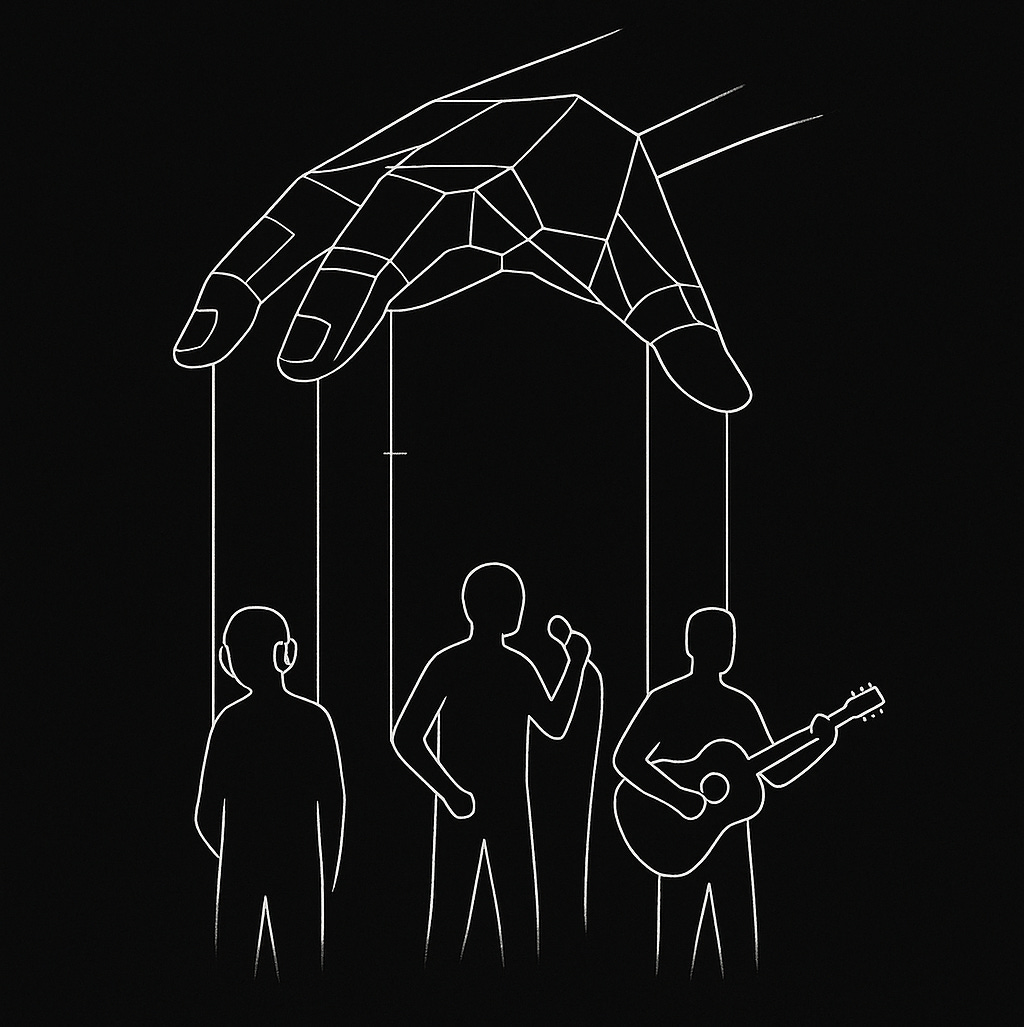
Streaming fraud costs the music industry $2 billion annually. 30% of streaming activity on mid-sized platforms is fraudulent. While independent artists grind for legitimate plays, criminal networks generate millions of fake streams daily for less than the cost of a decent microphone.
This isn't small-scale cheating. It's industrial theft that systematically redistributes money from legitimate musicians to bot farm operators in developing countries.
The Michael Smith Case
September 2024: Federal prosecutors charged Michael Smith with the largest streaming fraud operation in history. Smith used AI to generate hundreds of thousands of fake songs with names like "Calliope Bloom" and "Camel Edible," then deployed 1,040 bot accounts to stream them 661,440 times daily.
Total theft: $10 million over seven years.
The critical detail: Spotify's fraud detection systems only identified about $60,000 of Smith's operation. The rest flowed through undetected, meaning hundreds of similar operations likely continue operating successfully.
Smith's cost basis: Under $15,000 monthly. Daily revenue: Over $3,300. Return on investment: 700%
How Independent Artists Become Targets.
Fraudsters specifically target artists with 100-10,000 followers. This demographic has enough budget to pay for promotion but lacks experience to identify scams.
The approach is sophisticated: fraudsters research recent releases, mention specific song titles, and craft personalized messages exploiting artists' need for exposure.
Standard pitch: "Heard your track [specific title], can get you 50,000 streams for $300 on premium playlists."
What they're actually selling: inclusion in bot-streamed playlists mixing legitimate music with AI-generated content for money laundering purposes.
The Benn Jordan incident: Despite never purchasing fake streams, Benn Jordan (The Flashbulb) had all 23 albums removed from Spotify and Tidal after someone added his music to a fraudulent playlist. Seven years of revenue history, $500,000+ in legitimate earnings, gone overnight due to algorithmic guilt-by-association.
Platform Economics and Fraud Tolerance
Streaming platforms financially benefit from fraud. Inflated engagement metrics support valuations and attract advertisers. When Goldman Sachs projects industry growth, they're working with data contaminated by fraudulent activity.
Platform responses have been deliberately inadequate:
Spotify: Anti-fraud measures only trigger at "flagrant" levels. Moderate fraud operates undetected. Their 1,000-stream minimum for royalty generation redirected $50 million from independent artists to major labels.
Apple Music: Implemented financial penalties in 2022 but kept details confidential to avoid admitting fraud scope.
Detection transparency: Platforms refuse to share fraud detection data with distributors. Artists can't see what triggered flags, can't appeal effectively, can't prevent future false positives.
Business model alignment: Platform liability protection prioritized over artist livelihood protection.
Technical Infrastructure
Modern fraud operations use residential proxy networks routing fake streams through millions of legitimate household internet connections. Each bot stream appears to originate from a real user.
Supply chain structure:
AI companies generate thousands of tracks daily
Account farms create realistic user profiles
Proxy networks provide geographic legitimacy
Click farms in developing countries add human elements when needed
Radio play driving streams
Viral social media moments generating playlist additions
Final Thirteen: BBC Radio 1 play led to streaming spike, music removed
Katrina Stone: 26 songs stolen and redistributed under fake artist names for 7.5 months while platforms ignored copyright claims
Average per-stream payout: $0.003-0.005
Revenue after distributor fees: 15-20% reduction
Platform fraud tax: 10-30% of remaining revenue stolen
Net effective payout: $0.002-0.003 per stream
Bandcamp transaction fee: 10%
Artist retention: 90%
Fan ownership: Permanent
Revenue control: Complete
Streaming strategy: Hundreds of hours for algorithmic optimization, playlist pitching, social media content creation for minimal returns
Direct sales strategy: Focus on music quality, build email list, maintain direct fan relationships
Monitor analytics for unexplained streaming spikes
Research playlist curators before submission (check social media presence, previous placements, artist testimonials)
Use distributors with robust fraud detection (understand limitations)
Document all promotion activities for potential fraud investigations
Diversify revenue streams beyond streaming royalties
Prioritize direct-to-fan relationships over platform metrics
Build email lists through free content offerings
Establish presence on multiple platforms to reduce dependency risk
Fraud detection transparency
Appeal process availability
Historical treatment of false positives
Revenue sharing terms
Artist control over distribution
Economics: Workers in the Philippines earn $1 daily to generate 1,000 streams. Operation managers collect thousands in stolen royalties.
Accessibility: AI song generation (free), residential proxy access ($20/month), 10,000 streams ($15). Total barrier to entry for stealing from musicians: under $50.
When Success Becomes Suspicious
Platform fraud detection creates perverse incentives where organic success triggers penalties.
Examples of legitimate activity flagged as fraud:
Platform response time: Fraud reports routinely take months to resolve. Revenue theft continues during "investigation" periods.
Cultural and Economic Impact
30% fraudulent streaming activity corrupts recommendation algorithms.
When machine learning systems train on fraudulent data, they recommend AI-generated content optimized for algorithmic engagement over authentic music.
Discovery degradation: Real fans discover less authentic content as fraudulent tracks dominate algorithmic playlists.
Two-tier economy formation: Fraudulent content dominates mainstream platforms while authentic artists migrate to niche services like Bandcamp.
Market distortion: 99% of tracks uploaded in 2024 earned under $100, partly because the royalty pool is being systematically drained by criminal operations.
Alternative Platforms and Revenue Strategies
Direct-to-fan platforms eliminate fraud vulnerabilities:
Bandcamp: Fans purchase directly. No algorithm manipulation. No fraudulent inflation. No platform taking 70% of already diminished payouts.
Revenue comparison: 1,000 Spotify streams = $3-4. Three Bandcamp album sales = $21+.
Bandzoogle: Artist-owned websites with integrated e-commerce. Complete control over fan relationships. No platform dependency. Pricing control: Set your own prices instead of accepting streaming pennies.
Email lists vs. streaming algorithms: Direct email communication sees 30-60% open rates compared to under 1% organic reach on streaming platforms.
Ownership vs. rental: Bandcamp customers own the music they purchase. Streaming listeners rent access that disappears if they stop paying monthly fees.
Financial Reality Check
Streaming economics for independent artists:
Direct sales economics:
Time investment comparison:
Protection and Platform Selection
Immediate actions:
Long-term strategy:
Platform evaluation criteria:
Business Model Sustainability
The streaming model's fundamental problem: Revenue depends on keeping artists dependent while extracting maximum value from their work with minimal compensation.
Sustainable alternatives exist: Platforms designed to serve artists instead of exploit them. Tools for building direct relationships instead of renting audience access.
Market power: Every purchase is a vote for business practices. Supporting platforms that respect artist investment vs. those that exploit it.
The streaming fraud crisis isn't just about fake numbers. It's about who controls musical culture and who profits from its creation. Understanding the system is the first step toward choosing better alternatives.
Stay Blessed,
Void